
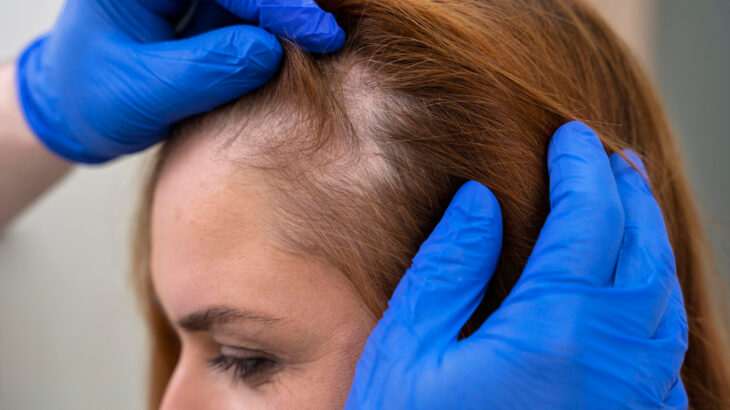
Trichotillomania is a condition that can make someone feel an overwhelming urge to pull out their own hair. It may sound like a simple habit at first, but for someone living with it, stopping can be surprisingly difficult. Hair may be pulled from the scalp, eyebrows, eyelashes, beard, or other areas of the body. Understanding what causes these urges and recognizing the signs can be an important first step toward getting help.
Understanding Hair Pulling Disorder
Trichotillomania is also known as hair pulling disorder, a mental health condition involving repeated urges to pull out hair. Some people notice a buildup of tension before pulling and relief afterward. Others may pull almost automatically while watching television, studying, working, or feeling bored. The behavior can happen consciously or without much awareness, making it difficult to control.
What Are the Common Symptoms?
One of the most noticeable symptoms is repeated hair pulling that leads to visible hair loss or thinning. However, the experience can involve more than missing patches of hair. Someone may spend a lot of time thinking about pulling, trying to resist the urge, or hiding areas where hair has been pulled. Feelings of embarrassment, frustration, guilt, or anxiety may also develop, particularly when the person has tried to stop several times without success.
Why Does Trichotillomania Happen?
There is no single cause of trichotillomania. Researchers believe that a combination of genetic, biological, emotional, and behavioral factors may play a role. Stress, boredom, anxiety, loneliness, or intense concentration can sometimes intensify the urge. For some people, the texture or sensation of pulling a particular hair can also become part of the cycle, creating a temporary feeling of satisfaction or relief.
When Does Hair Pulling Become a Concern?
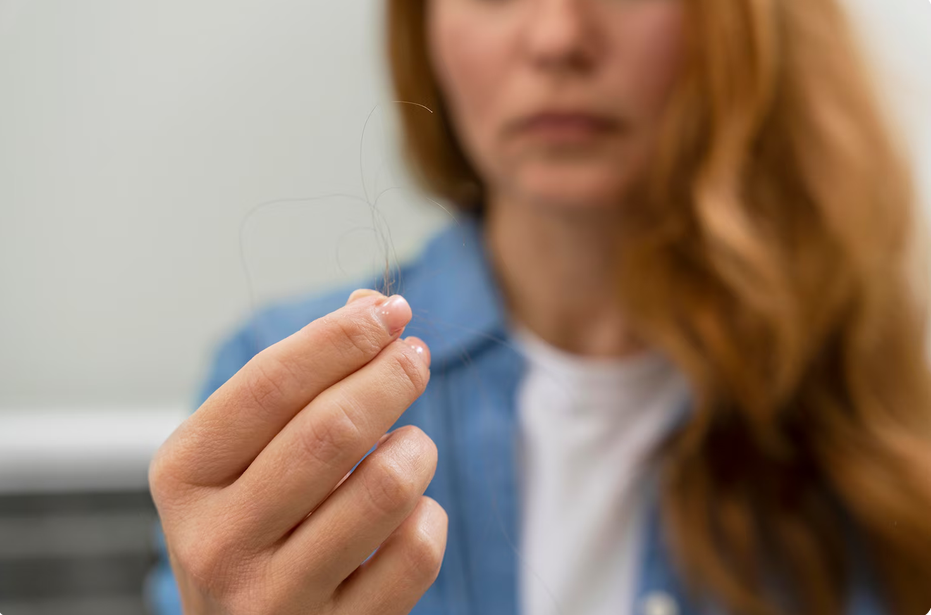
Occasional hair pulling does not automatically mean someone has trichotillomania. Concern tends to arise when the behavior becomes difficult to control, causes noticeable hair loss, or interferes with everyday life. Someone might avoid social situations, feel uncomfortable around other people, or spend considerable time covering bald or thinning areas. If hair pulling is causing distress or feels impossible to manage alone, talking with a healthcare professional can be helpful.
How Is Trichotillomania Treated?
Treatment usually focuses on helping a person understand their triggers and develop healthier ways to respond to the urge. Behavioral therapies, particularly Habit Reversal Training, can teach people to notice when the urge is building and replace hair pulling with another action. Some people may also benefit from approaches such as cognitive behavioral therapy or acceptance-based techniques. A healthcare professional can help determine which approach is appropriate.
Can You Manage the Urge to Pull?
Managing trichotillomania often takes patience because the behavior can become deeply connected to everyday routines and emotions. Keeping track of when and where urges happen can help identify patterns. Simple changes, such as keeping the hands occupied during common pulling situations, may also be useful for some people. Progress does not always happen overnight, and having an occasional setback does not mean treatment has failed.

The Emotional Impact of Trichotillomania
The physical effects of hair pulling can sometimes be easier to notice than the emotional ones. People may feel ashamed of their appearance or worry that others will notice areas of hair loss. These feelings can affect confidence and relationships and may lead someone to withdraw socially. Understanding that trichotillomania is a recognized condition rather than a personal failure can help reduce some of that shame.
Trichotillomania can be challenging, but it is a real and treatable condition. Recognizing the symptoms, understanding possible triggers, and seeking appropriate support can make managing hair-pulling urges easier. If hair pulling is causing distress or affecting daily life, speaking with a qualified healthcare professional is a positive place to start.