
Let’s be honest. Counting every calorie sounds good for about three days. Then it starts to feel like a full-time job you didn’t sign up for. Here’s the truth. You don’t need to track every bite to get results. Your body isn’t a calculator. It responds better to consistency, awareness, and simple habits you can actually stick to.
Why Tracking Everything Doesn’t Always Work
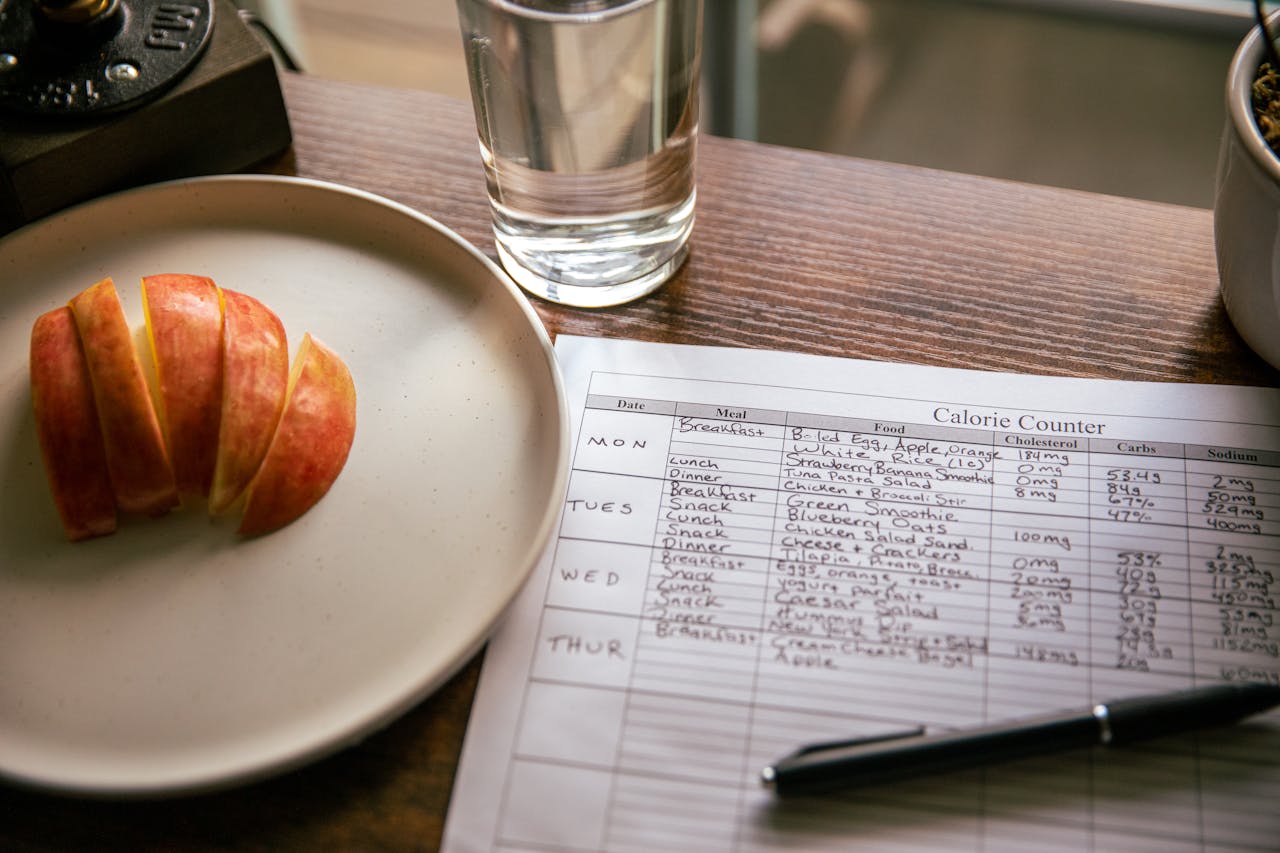
Tracking can help at the start. It builds awareness. You finally see how much you’re actually eating. That part is useful. But over time, it can become exhausting. Logging every meal, every snack, every sip. It drains your energy fast. It also creates pressure, which means zero sustainability. That mindset doesn’t help long-term. Sustainable habits matter more than perfect numbers. You want something you can follow without stress. Tracking can also make eating feel restrictive, turning meals into numbers instead of enjoyment. Over time, that pressure can lead to burnout and make people quit entirely.
The Visual Plate Method That Keeps It Simple
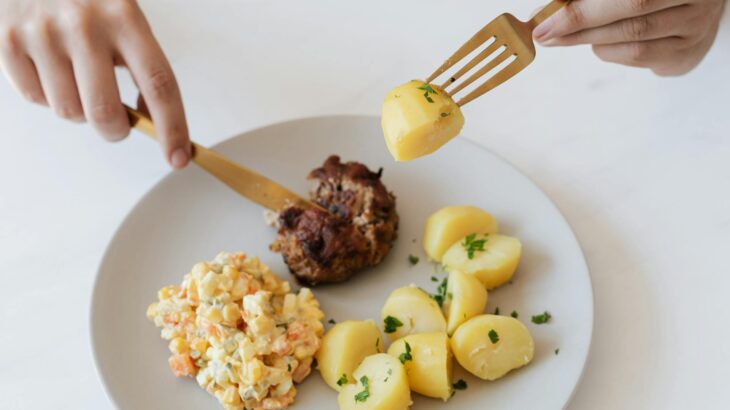
Instead of numbers, think visuals. Your plate becomes your guide. No apps needed. Start with half your plate as vegetables. These are low in calories but high in volume. They keep you full. Then add a portion of protein. About the size of your palm works well. It supports muscle and keeps hunger in check. The rest goes to carbs and fats. Keep them balanced, not overloaded. This simple layout works surprisingly well. It also helps you build balanced meals quickly without second-guessing every choice. This method trains your eye over time, so portioning becomes automatic.
Listening to Your Body Signals

Your body gives signals all the time. The problem is, most people ignore them. Eating becomes automatic instead of intentional. Hunger is your green light. But it shouldn’t feel extreme. If you’re starving, you waited too long. Fullness is your stop sign. Not stuffed, just satisfied. There’s a difference, and it matters. Slow down when eating. It gives your body time to catch up. That alone can change how much you eat. Emotional eating can confuse these signals, so awareness is key. The more you practice this, the easier it becomes to stop eating at the right time.
Building Consistency Without Stress
Consistency beats perfection every time. You don’t need perfect meals. You need repeatable habits. Stick to simple routines. Similar meal structures each day make decisions easier. Less thinking, more doing. Plan ahead when you can. Even a rough idea of your meals helps you stay on track. It removes guesswork.
Common Portion Mistakes You Might Not Notice

Liquid calories sneak in easily. Drinks don’t feel filling, but they add up fast. That’s one area people overlook. Snacking without thinking is another issue. A handful here, a bite there. It seems small, but it builds over time. Large plates can trick your brain. More space often means more food. Switching to smaller plates can help control portions. Also, eating while distracted leads to overeating. Screens pull your attention away from your body signals. Restaurant portions can also distort your sense of what a normal serving looks like. Even healthy foods can lead to overeating if portions are too large.
Give yourself flexibility. One-off meal doesn’t ruin progress. What matters is what you do most of the time. Understanding portion balance doesn’t have to feel complicated. You don’t need to track everything or chase perfect numbers. Focus on simple visuals, listen to your body, and stay consistent. That’s where real progress happens.