
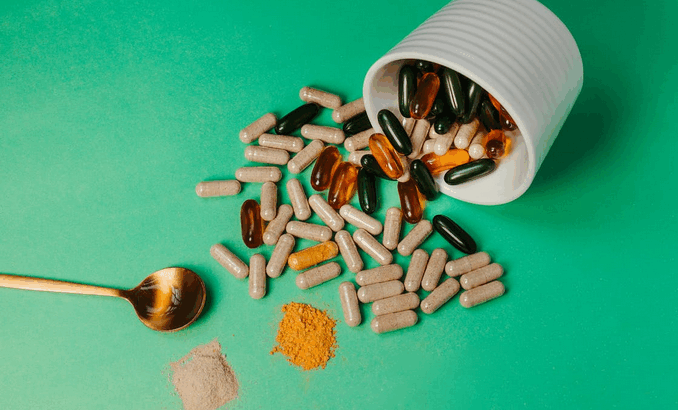
Weight loss pills continue to draw interest from individuals searching for quick solutions to shedding excess weight. Advertisements promise fast results with minimal effort, making these products incredibly appealing. But before taking the leap, it’s crucial to ask a key question: are weight loss pills safe? This is where reality must meet marketing. While some pills are supported by research and proper manufacturing standards, others come with questionable ingredients and unwanted effects. With so many options on the market, knowing what you’re getting into can protect both your health and your finances. In this article, we’ll cover the top things you need to know before trying weight loss pills—from ingredients and side effects to regulation and realistic expectations.
Not All Weight Loss Pills Are Created Equal
The term “weight loss pill” covers a wide range of products—prescription drugs, over-the-counter pills, herbal capsules, and even drinkable supplements. Some are backed by scientific studies, while others rely heavily on hype and flashy claims. Understanding what you’re taking is the first step toward safety. For example, FDA-approved medications like Orlistat are intended for specific health needs and are prescribed by professionals. On the other hand, many supplements sold online or in stores may include a mix of unregulated ingredients, sometimes in unsafe combinations or quantities. Labels can be misleading, and some products don’t even list every ingredient.
Before you try anything, research the product and check whether it’s approved by a credible authority. Claims such as “burns fat instantly” or “lose 10 pounds within a week” should raise suspicion. A legitimate supplement won’t need exaggerated promises to prove its value.
Side Effects Are Real—and Can Be Serious
Even though many weight loss supplements are marketed as “natural,” that doesn’t automatically make them safe. Caffeine, green tea extract, and other common ingredients can have stimulant effects, leading to jitteriness, headaches, increased heart rate, or sleep disturbances. In some cases, these pills have been linked to serious health risks, that include liver damage and elevated blood pressure.
Additionally, certain ingredients can interact with medications you’re already taking. For example, supplements that act as appetite suppressants may clash with antidepressants or blood pressure medications. Always read ingredient list carefully and consider speaking to a healthcare providers if you have existing health conditions. Don’t assume that “herbal” equals harmless—it’s far more complicated than that.

Regulation Is Limited, Especially for Supplements
Unlike prescription medications, most weight loss supplements are not strictly regulated before they reach store shelves. This means that the burden of safety often falls on the consumer. Some manufacturers comply with quality standards, but others may skip essential safety checks or use misleading labeling. There have been instances where supplements were found to contain hidden ingredients, such as banned stimulants or substances that mimic prescription drugs.
If you’re determined to try a supplement, look for third-party testing certifications on the packaging—these indicate that an independent body has checked the product for safety and content accuracy. However, even these aren’t foolproof. Keep in mind that “natural” doesn’t mean free from side effects, and “popular” doesn’t always equal trustworthy.
Pills Alone Won’t Lead to Sustainable Weight Loss
It’s easy to hope that one capsule a day will melt fat away, but the reality is far more complex. Most weight loss pills, even those that work, offer only a modest reduction in weight—usually together with changes in diet and physical activity. They might help curb appetite or slightly increase metabolism, but they’re not magic. Relying solely on pills often leads to disappointment and short-term results. For weight loss to be lasting, it has to involve a shift in lifestyle habits. A supplement may assist along the way, but it shouldn’t be the central strategy. Think of it more as a supporting tool, not a replacement for balanced eating or exercise. Setting reasonable expectations is key to avoiding frustration and maintaining progress.
Weight loss pills can be tempting, especially when progress feels slow or stubborn. But before trying any product, it’s important to approach the decision with caution and awareness. From understanding what’s in the pill to knowing the potential side effects and limitations, making an informed choice could protect your health and save you from disappointment. The four key takeaways—ingredient quality, health risks, lack of regulation, and realistic outcomes—are essential for anyone considering this route. Remember, no pill will replace the benefits of a steady, healthy lifestyle. Choose wisely, ask questions, and prioritize your well-being above quick results.